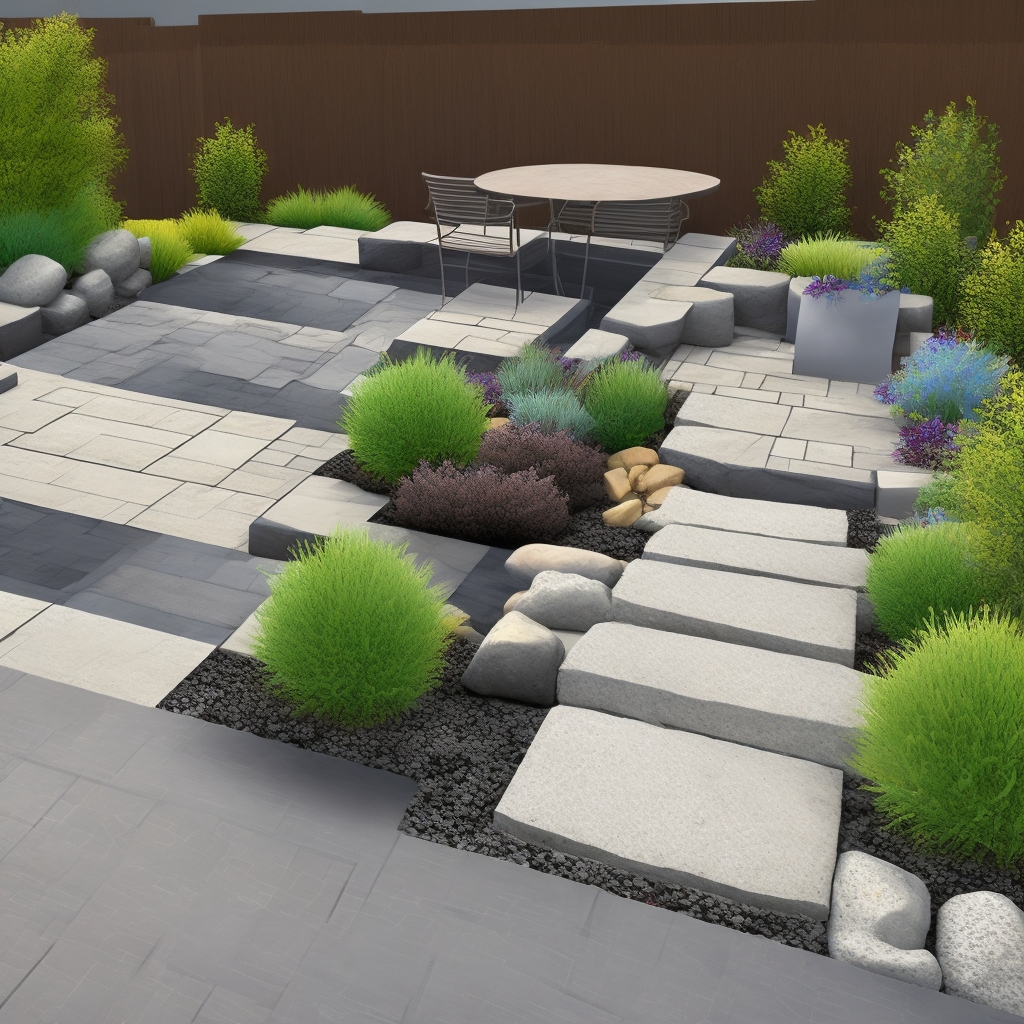
Trip Reports
Document your outdoor visits and landscape site surveys to help others learn from your experience.
Orientation — what this is
A trip report is a detailed account of a visit to an outdoor space, landscape site, or community project.
Whether you're documenting a professional landscape installation, visiting a native plant preserve, or checking out a neighborhood improvement project, trip reports turn individual experiences into community knowledge.
The value of a good trip report is simple: it helps others make better decisions about their own projects.
Someone who reads about how a landscape worked or didn't work can apply those lessons without making the same mistakes.
Trip reports are especially useful in our region because local conditions—soil, water, frost dates, shade patterns—matter enormously to success.
What works in one neighborhood sometimes fails two miles away, and a good trip report explains why.
The reference table
A strong trip report balances observation with perspective. Describe what you actually saw—the soil conditions, the plant health, the hardscape installation, the drainage patterns—and then explain why they matter. This is where readers learn. A report that only lists what was present misses the chance to teach anything useful. The specific details make the difference between a checklist and something someone can actually learn from. Generic praise ("beautiful garden," "great job") vanishes from memory within days. A particular observation—"the bluestone was mortared tightly, which kept weeds out even after five years"—stays useful for years. That specificity is what transforms a trip report from a nice comment into real knowledge.
How to use it
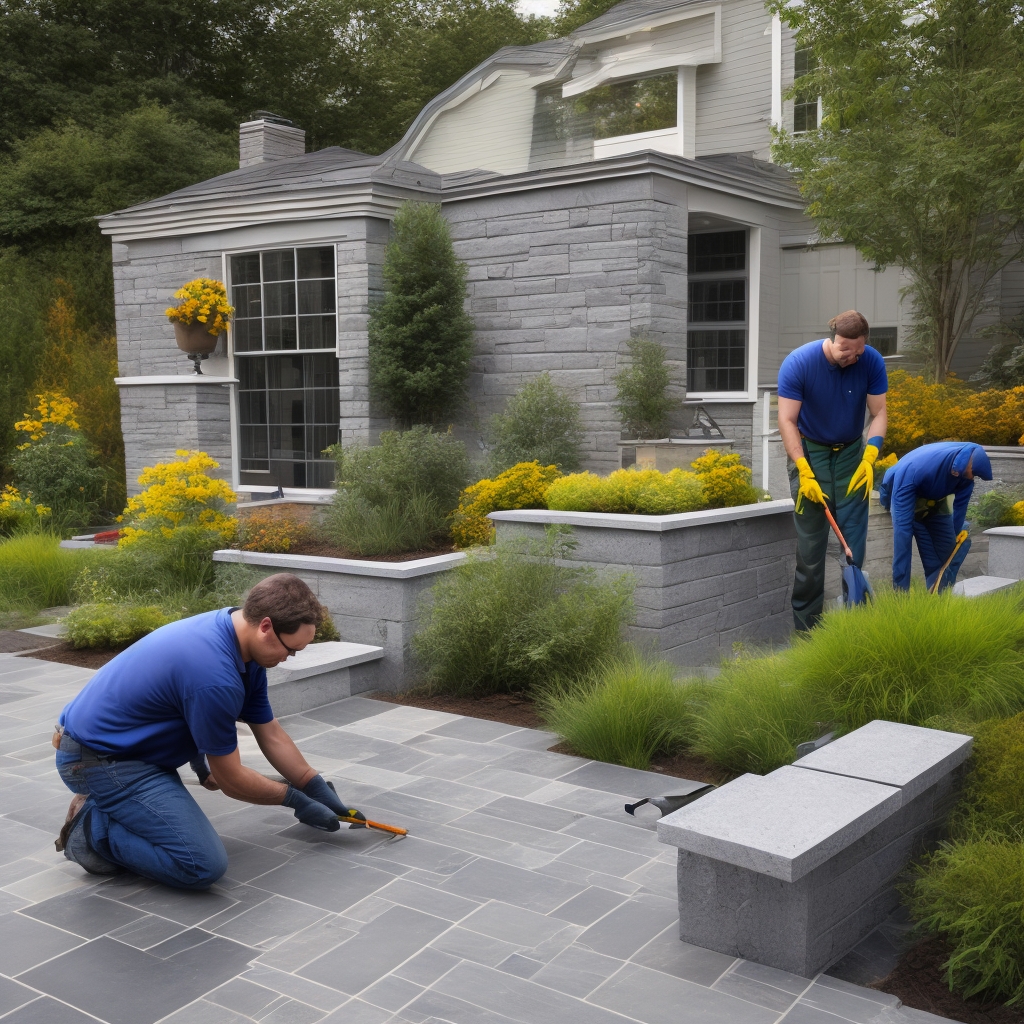
Start by describing the location and the baseline. What is the site? What was the condition before work began? What was the goal? Then walk through what actually changed. Did new plants thrive in that exposure? How did the hardscape hold up to the first season? What unexpected details mattered more than the plan suggested? What failed that surprised you? End by noting what you'd want to remember or what you'd do differently next time.
Use specific details in every report. Name the plant species, the hardscape materials, the installation method, the date you visited. Note whether it was wet or dry that season, whether it was a harsh winter or a mild one. Specific information stays useful for years because someone facing the same conditions can apply your experience directly. A vague observation—"the garden looked nice"—becomes useless quickly. Focus on what you observed with your own eyes, not what you think should have happened. Readers here trust careful observation far more than opinions. A caveat matters more than a compliment.
Next step