Landscape Project Safety
Essential knowledge for protecting your property during any outdoor work.
Orientation — what this is
A landscape project touches nearly everything on a property: the ground, the utilities below it, the plants above it, and the structures nearby. When things go wrong, it is usually because one person did not know what another person needed. This page covers what needs to happen before, during, and after landscaping work to keep the project moving safely and the results sound. The focus is on prevention: knowing what to look for, what to ask, and what to do when something unexpected comes up. Most of these issues are not expensive to prevent, but they are expensive to fix after the fact.
Next step
The detail
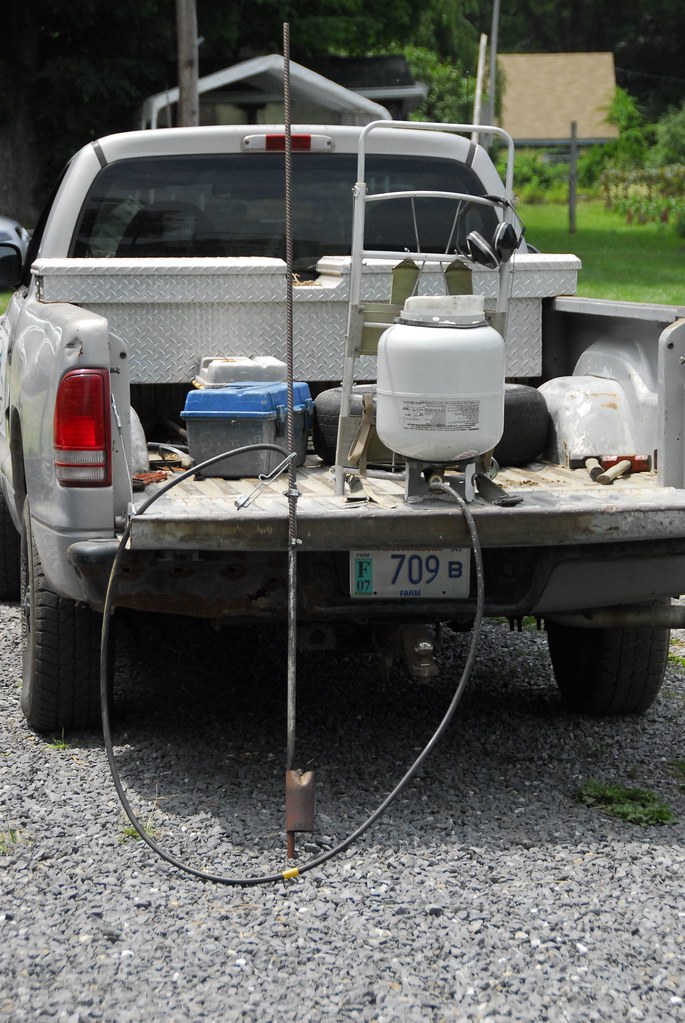
Before a shovel touches the ground, the contractor needs to know exactly where utilities are. Underground electric, gas, and water lines are present on nearly every property. Calling the state locate service costs nothing and is legally required. They will mark the lines in chalk or paint so the contractor can see them and avoid them. Do this the day before work starts, not weeks ahead, because marks fade in the weather.
Property boundaries matter, too. If a fence, wall, or planting is on the property line, the contractor needs to know it. If a deck is being built near a line, or an old tree is being removed close to the boundary, the neighbor might have something to say about it. Clear sight lines now prevent disputes later. Similarly, know where any easements are — utility easements, drainage easements, even historical society rights can all affect what work is allowed and where.
How to use it
Start every project with a conversation. Walk the site with the contractor and point out everything that matters: the utilities (after they are marked), the areas to be protected, the water issues. Take photos from several angles so both of you have a record of what the site looked like. Make sure the contractor understands what you want protected and how to get around the site without damaging the things that matter.
During the work, stop by and look around. Water damage is the most common issue in landscape projects, and it usually comes from poor drainage or grading. Check that the site is sloping the way it should be. If puddles are forming in places they should not, ask about it while the work is happening, not months later when the patio is stained or the foundation is wet.
After the project is finished, give the new work time to settle. Fresh mulch and newly planted areas will shift slightly over the first season. Ground will settle around new walkways and patios. If the contractor guarantees the work, clarify what that means: does it cover settling? Does it cover weeds in the mulch? Does it cover damage from snow removal or seasonal changes? Having that conversation early prevents misunderstandings.
Worth knowing
Healthy, properly pruned trees are part of any safe outdoor space, whether along a path or beside a patio. The International Society of Arboriculture explains tree benefits and professional tree care for the public. More at TreesAreGood.org.