Training
How to recognize good lawn care and understand the decisions behind it.
Orientation — what this is
Lawn care and landscape maintenance sound simple from the outside: mow, plant, prune. But the details matter because the site itself is always different. Soil type, drainage, sun exposure, the age of what is already growing — these change what works. A lawn that thrives on one street may struggle two miles away.
This page walks through how professional maintenance works and why certain decisions make sense. It is written for property owners who want to understand what the work is, not for landscapers themselves. The goal is to recognize good work when it is happening, to know what questions to ask, and to understand why the approach matters for this property.
How to use it
Start with the section that answers your question. The details that follow explain the reasoning — why a particular approach works better on this property, at this time of year, for this plant or turf type.
Lawn seeding works best when the soil temperature stays in a range that lets the seed germinate and the grass establish a root system before winter sets in. This is not arbitrary. Seed sown in summer heat will not germinate at all. Seed sown too late in the fall will not root before the ground freezes.
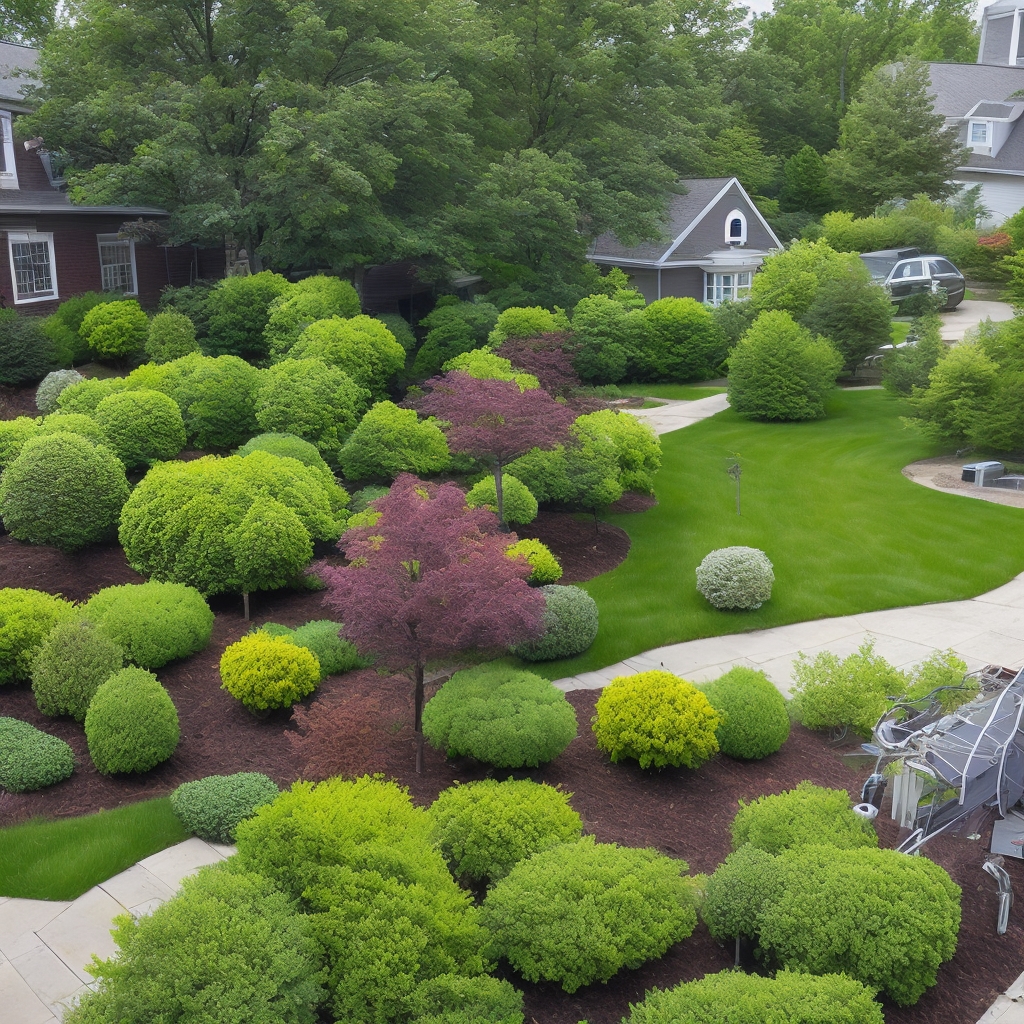
Tree and shrub work follows the same principle: timing matters because the plant is responding to season. Pruning in spring encourages new growth. Pruning in late summer does not, so the plant goes into dormancy with cleaner structure. Knowing which is right takes experience with this climate.
The detail
Further learning
For hands-on guidance on lawn repair and maintenance, this tutorial walks through the practical steps for fixing an established lawn that has fallen into disrepair.
Additional resources
- UMass Extension Landscape, Nursery & Urban Forestry Program — research-based horticultural guidance, a weekly Landscape Message on emerging insect and disease problems, and plant diagnostics for Massachusetts landscape professionals
- National Association of Landscape Professionals — education and professional development for landscape and lawn care companies